Table of Contents
Bismarck sits inside the Missouri River Valley wind corridor, where severe spring and fall storm systems can produce gusts reaching 55 to 75 mph and rattle rooftops across Burleigh County.
Homeowners often don’t realize the extent of the damage a single gust event can do until they step outside and find shingles scattered across the yard.
A lifted shingle or a missing ridge cap looks minor from the driveway, but it is usually the first visible sign of a compromised roofing system underneath.
If wind has already lifted shingles or blown off a cap on your Bismarck home, the fastest way to protect the roof is to document the damage, cover exposed areas, and schedule a professional inspection within 24 to 48 hours.
Waiting even a few days lets moisture work under the shingle mat and turn a simple repair into a full deck replacement.
Why Bismarck Wind Events Damage Roofs So Easily
Bismarck sits at the meeting point of two harsh weather patterns: the spring and summer thunderstorm corridor along the Missouri Valley, and sustained Arctic wind pressure from October through April.
Few cities ask this much of a roofing system in a single calendar year.
The exposed prairie landscape in areas like South Bismarck, Northridge, and the Burnt Boat Drive corridor provides little protection, allowing strong winds to strike roof edges and ridges with maximum impact.
Sustained wind above 50 mph routinely produces creased shingles and wind damage along the tab edges, even when the shingle lies flat again once the storm passes.
What actually happens during a wind event:
- Wind lifts shingle tabs and breaks the factory adhesive seal underneath.
- Gusts pull ridge caps loose from the nail line along the peak.
- Airborne debris cracks flashing around vents, chimneys, and skylights.
- Repeated wind events weaken the same stress points storm after storm.
Signs of Wind Damage on a Bismarck Roof
Wind rarely leaves obvious destruction that you can easily spot from your driveway.
After a severe blow-through, watch out for these hidden red flags:
- Curling or missing shingles along ridge lines and roof edges.
- Missing roof caps, which homeowners usually only notice after finding pieces in the yard.
- Granule buildup collecting heavily in gutters and downspouts.
- Bare, lighter-colored patches where the roof decking is exposed.
- Moisture spots appearing on indoor ceilings a day or two after severe weather.
Lifted shingles Bismarck homeowners report most often appear along roof edges and hips, where wind pressure concentrates first and pulls hardest against the nails.
Not sure if what you’re seeing qualifies as storm damage? Call Wegner Roofing & Solar for a free, no-obligation inspection before you climb a ladder yourself.
What to Do the Moment You Spot Lifted Shingles or a Missing Cap
Follow these steps to protect both your home and any future insurance claim:
- Stay off the roof: Wet or wind-loosened shingles are unsafe to walk on, even for confident homeowners.
- Photograph everything from the ground: Capture missing shingles, yard debris, and dented gutters with timestamps.
- Cover exposed sections: An emergency roof tarp Bismarck crews install can stop water intrusion until permanent repairs happen.
- Note the storm date and time: Insurers tie claims to specific weather events, so this detail matters later.
- Schedule a professional inspection: A licensed roofer can confirm what is actually wind-related versus ordinary wear.

How Soon a Wind-Damaged Bismarck Roof Needs a Professional Look
Ideally within 24 to 48 hours. A wind-creased shingle can look fine from the ground days after a storm, then start leaking weeks later once the broken seal fully separates.
Getting a free roof inspection scheduled quickly protects your roof and your ability to prove the timeline if you decide to file a claim.
An inspector marks test squares, photographs every finding, and tells you honestly whether the damage is claim-worthy.
Ready to get eyes on your roof before the next system rolls through? Reach Wegner Roofing & Solar today and get a documented inspection report in hand.
Turning Bismarck Wind Damage Into an Approved Claim
Filing paperwork after a storm feels overwhelming, especially while you are still cleaning up the yard.
Wind damage claims that North Dakota insurers approve on the first try usually have three things in common: fast documentation, a professional inspection report, and an advocate present at the adjuster meeting.
Wegner Roofing & Solar is a family-owned company that has guided homeowners through this exact process since 2011.
For full details on how the claims process works from filing to final repair, see our Storm Damage Roof Repair page.
For a deeper walkthrough of coverage types, deductibles, and filing deadlines, read our Bismarck, ND Wind Storm Roof Insurance Claim Guide.
Local Credibility Bismarck Homeowners Can Verify
Before hiring anyone after a storm, check these basics:
- North Dakota license and proof of insurance.
- A physical local office you can actually visit.
- GAF and Owens Corning manufacturer certifications.
- BBB A+ rating and hundreds of verified local reviews.
Wegner Roofing & Solar, a family-owned business established in 2011, operates locally from 533 Airport Road Ste. A in Bismarck.
You can view verified customer reviews and confirm the local office location on our Google Business Profile.
Key Takeaways
Bismarck’s open prairie terrain and Missouri Valley wind patterns make lifted shingles and missing ridge caps a recurring risk, not a rare event.
You rarely spot creased or lifted shingles from the driveway, but the deterioration accelerates rapidly the moment the adhesive seal fails.
Acting within 24 to 48 hours, photographing damage, and tarping exposed areas protects both your roof and your insurance claim timeline.
A local, licensed contractor with claims experience gives your adjuster the documentation it needs for full approval.
Protect Your Roof Before the Next Bismarck Wind Event
Wind damage rarely announces itself clearly. A shingle that looks fine after the storm can hide a broken seal that fails during the next storm, and Bismarck’s exposed terrain guarantees there will be a next system.
Dismissing a lifted shingle or missing roof cap as a mere visual flaw is a frequent and expensive error for area homeowners.
The safest move is simple: document what you see, cover what is exposed, and get a professional set of eyes on the roof before assuming everything is fine.
Don’t wait for a small wind crease to become an interior leak.
Call Wegner Roofing & Solar to book your free, no-obligation storm inspection and get a clear answer on where your roof actually stands.


FAQs About Wind Damage Roof Repair in Bismarck, ND
What does wind damage on a roof look like?
Wind damage can be spotted by looking for curled or absent shingles, visible sections of bare roof decking, thick layers of asphalt granules in your gutters, or damaged flashing that has been pulled away.
Interior ceiling stains can appear within 24 to 48 hours of the storm, so check both the roof and ceilings promptly after any wind event.
Are missing roof caps covered by insurance?
Yes, in most cases. Standard North Dakota homeowners’ policies cover wind-related damage, including missing ridge caps, under the windstorm peril.
Coverage applies when the damage is sudden, storm-related, and backed by clear documentation such as photos and a licensed contractor’s inspection report.
How soon should wind damage be inspected?
Wind damage should be inspected within 24 to 48 hours of the storm.
A quick inspection prevents hidden issues like broken shingle seals from worsening into leaks, and it strengthens your insurance claim by tying the damage directly to a specific, verifiable weather event.
Table of Contents
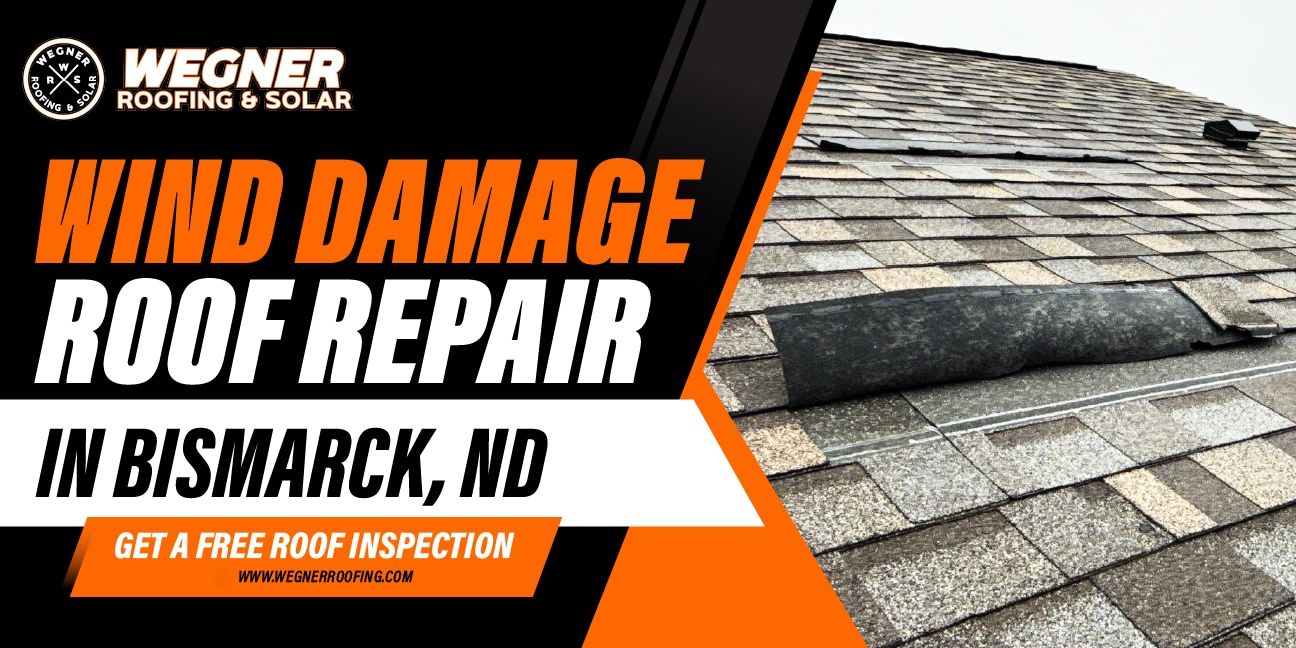
Wind Damage Roof Repair in Bismarck, ND Table of Contents Bismarck sits inside the Missouri River Valley wind corridor, where severe spring and fall storm
Partial Roof Replacement in Bismarck: When It Works, and Why the Freeze Date Matters Table of Contents Drive down Airport Road toward the Missouri River
Getting a Bismarck Roof Hail Inspection Before Your Claim Window Closes Table of Contents Missouri River Valley hailstorms don’t announce themselves politely. They roll in
Hail Damage to Siding in Bismarck: What to Look For and How Claims Work Table of Contents Bismarck-Mandan’s spring and summer storm cells roll off
Roof Blistering vs. Hail Damage on a Bismarck Roof: How the Patterns Differ Table of Contents Bismarck’s summer sun hammers south-facing roof slopes in Northridge